


Did you know: Over 80% of leading Australian veterinary clinics now use digital medical record systems and advanced diagnostic technology—making care more accurate, efficient, and satisfying than ever before[1].
Across the country, veterinary professionals who embrace technology and innovation are not only transforming patient care but also future-proofing their practices for the demands of a rapidly-evolving industry.
If you want your clinic to thrive, it’s no longer a question of if, but when and how to adopt the right technology. This article unpacks the powerful trends, tools, and expert guidance that will help you navigate the digital revolution in veterinary medicine.

A Revolution in Veterinary Medicine: The State of Technology and Innovation for Veterinarians Today
"Digital transformation in veterinary practice isn’t optional; it’s essential for clinics that want to thrive in the modern healthcare landscape."
The landscape of veterinary medicine is changing at lightning speed, with technology and innovation for veterinarians leading the charge in redefining what quality care looks like.
In Australia, clinics adopting digital platforms, AI-powered diagnostic support, and wearable tech for monitoring animal health are setting new industry standards. Forward-thinking veterinary practices recognize that success hinges on balancing cutting-edge technology with the personal touch that clients and patients expect.
Early adopters are already reaping the rewards—benefiting from improved patient outcomes, streamlined workflows, and better communication with pet owners.
From practice management software to online booking systems, these tools are not only about convenience—they are critical to maintaining competitive edge, retaining valuable veterinary team members, and optimizing clinic operations.
Australia’s regulatory environment supports technological progress, giving clinics the flexibility to upgrade infrastructure without sacrificing patient privacy or compliance.
For veterinary clinic owners and managers, the revolution in veterinary tech offers both opportunity and challenge: to stay ahead, you need insights, best practices, and a willingness to evolve with the industry’s pace of innovation.
What You’ll Learn About Technology and Innovation for Veterinarians
How technology and innovation for veterinarians improve patient outcomes and client satisfaction
Key tools transforming veterinary practice and veterinary medicine in Australia
Best practices for implementing veterinary technology and practice management software
Expert opinions on the future of veterinary technology
Breaking Down the Benefits: How Technology and Innovation for Veterinarians Enhance Veterinary Practice

Increased Efficiency Through Practice Management Software: Modern systems automate scheduling, billing, and record updates, allowing staff to focus more on patient care.
Improved Communication Using Digital Platforms: Secure client portals and instant messaging boost transparency and help pet owners stay informed about treatment plans and vital signs.
Enhanced Diagnostic Capabilities with Advanced Veterinary Tech: Tools like digital radiography and AI-powered analysis provide veterinarians with faster, more accurate data for diagnoses and treatment planning.
Better Data Storage and Access via Digital Medical Records: Instant access to up-to-date medical records gives the veterinary team a comprehensive view, reducing errors and enabling more personalized care.
For veterinary professionals, adopting technology brings measurable value across every aspect of veterinary practice.
By leveraging veterinary tech such as advanced diagnostics and real-time data analysis, clinics ensure more informed decisions and tailored care. Clients—today’s digitally-savvy pet owners—expect seamless experiences and proactive updates.
Meeting these expectations with the right digital tools not only increases client satisfaction but helps build long-term loyalty and referrals.
Practice Management: Core Veterinary Technology in Modern Veterinary Practices;
Comparison of Leading Practice Management Solutions for Veterinary Clinics in Australia;
Platform |
Key Features |
Pricing (Monthly) |
Best For |
|---|---|---|---|
ezyVet |
Cloud-based, customizable workflows, integrated billing, digital medical records, client communication |
$200–$400 |
Multi-site clinics, advanced reporting |
Covetrus Pulse |
All-in-one dashboard, automated reminders, appointment scheduling, robust analytics |
$150–$300 |
Growing clinics, time-saving automation |
Cornerstone |
Patient charting, imaging integration, e-prescriptions, client portal access |
$180–$350 |
Comprehensive clinical practices |
OpenVPMS |
Open source, scalable, inventory management, customizable modules |
Varies (Free to $150+) |
Cost-conscious/tech-forward clinics |
Choosing the right practice management platform is one of the most impactful decisions clinic managers can make.
Systems like ezyVet and Covetrus Pulse automate time-consuming admin tasks, centralize medical records, and streamline client communication—allowing your veterinary team to focus on patient care instead of paperwork.
Modern platforms also support compliance, data security, and scalability for future growth. For veterinary practices in Australia, it means transforming daily operations for greater efficiency and enhanced patient outcomes.
Online Booking Systems: Streamlining Client Interactions in Veterinary Care

Online booking platforms are redefining how pet owners interact with veterinary clinics. With instant scheduling and automated reminders, both staff and clients benefit from reduced back-and-forth and fewer missed appointments.
These platforms also provide convenient access for pet owners to review vaccination records, download invoices, and receive health updates about their pets—all from one secure portal.
With integrated client communication, veterinary professionals are better equipped to keep pet owners informed, which results in higher client satisfaction and trust.
Adopting online systems doesn’t just improve convenience: it frees up valuable administrative time, reduces human error, and ensures that clinics can keep up with increasingly digital-savvy audiences.
As clinics scale, these platforms help maintain personalized relationships with clients while automating the logistical side of care delivery. This combination is vital for the success of any modern veterinary practice.
Automation Tools: Reducing Administrative Overhead in Veterinary Medicine
Automation technology now plays an essential role in efficient veterinary practice management. Tools such as automated follow-up communications, digital check-in, inventory management, and e-invoicing minimize manual processes and reduce the risk of burnout among team members.
For clinics experiencing rapid growth or seasonal spikes in demand, automation ensures that administrative workflows remain seamless and that veterinary teams can invest their time in patient care and relationship-building.
The benefits also extend to compliance and reporting—automation helps maintain consistent medical record documentation and can generate data-driven insights that inform both clinical and business decisions.
Implementing automation tools is a crucial step towards future-proofing your practice and elevating the experience for both staff and clients. By embracing a culture of innovation, clinics can efficiently adapt to industry changes without sacrificing quality or personal care.
Wearable Tech and Diagnostics: The Rise of Data-Driven Veterinary Care
Wearable Technology in Monitoring Animal Health
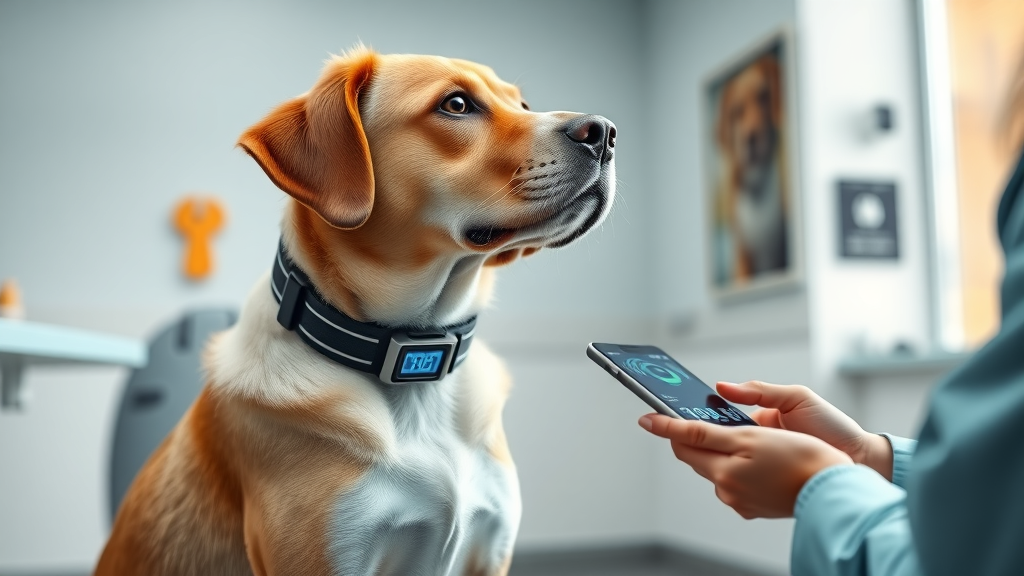
Wearable technology is reshaping how clinics monitor patient vital signs and animal health. Smart collars and wearable devices collect continuous data—such as heart rate, body temperature, and activity levels—giving the veterinary team real-time alerts to changes in a patient’s status.
Physicians can quickly identify emerging health issues before symptoms are visible, enabling proactive treatment and more accurate treatment plans. This shift to real-time monitoring not only improves patient outcomes, but also deepens the partnership between pet owners and veterinary professionals.
Wearable tech is particularly valuable for chronic disease management, post-surgical monitoring, and senior pet care. The data collected can be seamlessly integrated into a patient’s medical records, supporting evidence-based decisions and tailored interventions.
For Australian clinics striving to stay ahead, adopting wearable technology isn’t just a trend—it’s an investment in better, more connected, and data-driven veterinary care.
Artificial Intelligence and Automation: A New Frontier for Veterinary Technology
"AI-driven tools are not about replacing veterinarians—they’re about empowering them to make informed, timely decisions."
The integration of artificial intelligence into veterinary technology has given rise to unprecedented diagnostic and operational capabilities. AI-powered imaging can rapidly analyze X-rays and ultrasounds, flag anomalies, and offer diagnostic recommendations—reducing turnaround times and elevating diagnostic accuracy.
Automated triage algorithms help prioritize patient cases based on severity, ensuring urgent cases receive immediate attention. For the veterinary profession, this means less time spent on repetitive administrative tasks and more on direct patient care.
AI also enhances client communication, tailoring wellness reminders and treatment plan updates according to patient history and lifestyle. Importantly, expert veterinarians remain at the center of decision-making, using AI as a support tool to provide a second opinion or reduce diagnostic uncertainty.
As clinics look toward the future of veterinary care, embracing AI is not only realistic—it’s becoming essential for clinics committed to providing best-in-class patient outcomes.
Challenges and Change Management: Introducing Technology and Innovation in Veterinary Practice

Staff Training on New Veterinary Technology: Rolling out new systems can be overwhelming for team members. Comprehensive, ongoing training helps staff build confidence and proficiency with digital tools.
Maintaining Client Relationships in the Digital Age: The challenge for clinics is to digitize processes without compromising the trust and connection clients expect. Prioritizing transparent communication and client education can bridge the gap.
Balancing Efficiency with Personalized Veterinary Care: Technology should enhance, not replace, the art of compassionate patient care. Striking the right balance ensures that innovation serves both business goals and the needs of animals and their owners.
Adopting new technology requires a flexible change management strategy. Involving all team members in decision-making and soliciting their feedback is invaluable for buy-in and smoother transitions.
Regularly reviewing workflows and openly addressing concerns helps clinics avoid common pitfalls that lead to staff frustration or technology abandonment. For Australian veterinary practices, sustained investment in digital skills is a hallmark of resilient, future-ready clinics.
Expert Voices: Perspectives from Australian Veterinary Practice Leaders
"The future of veterinary is now—not just coming soon. Embracing innovation secures your clinic’s relevance."
Respected leaders in Australian veterinary medicine unanimously agree: waiting for digital transformation is no longer a competitive option. Clinics that embed technology and innovation into their core operations see dramatic improvements in patient outcomes, client satisfaction, and operational resilience—even when facing resource constraints.
These experts emphasize that the future of veterinary practice is not just about gadgets and software, but about building teams and processes where technology enhances human decision-making and client care.
Veterinary professionals report the most successful technology rollouts occur in clinics where leadership communicates a clear vision, invests in staff development, and measures the impact on both business goals and patient care.
As technology evolves, the ability to experiment, review, and adapt is what distinguishes clinics that thrive from those that struggle to remain relevant.
Australian veterinary leaders encourage their peers to approach innovation with curiosity, diligence, and a commitment to lifelong learning.
People Also Ask: Answering Key Questions on Technology and Innovation for Veterinarians
What kind of technology is used for veterinarians?
Today’s leading veterinary technology includes digital medical record systems, diagnostic imaging tools, practice management software, telehealth platforms, wearable tech for patient monitoring, and AI-powered diagnostic support.
How does technology impact veterinarians?
Technology helps veterinarians by streamlining workflows, facilitating better communication with pet owners, providing faster and more accurate diagnostics, and improving overall patient outcomes.
What is the major veterinary technology?
The most impactful veterinary technologies include comprehensive practice management systems, digital radiography, telemedicine, and real-time animal health monitoring through wearable tech.
What is the future of veterinary technology?
The future of veterinary technology points toward greater AI integration, advanced data analytics, precision medicine, and increased automation—reshaping both clinical and administrative aspects of veterinary practice.
Key Takeaways: Planning for Technology and Innovation in Your Veterinary Practice

Adopting technology and innovation for veterinarians can optimize day-to-day operations and elevate patient care.
Change management is crucial for successful integration of new veterinary technology.
Continuous learning and adaptation keep your veterinary practice competitive in a rapidly evolving industry.
Frequently Asked Questions: Technology and Innovation for Veterinarians
How do I select the right veterinary technology for my clinic?
Assess your unique needs, engage your team in the decision process, prioritize user-friendly platforms with strong support, and start with scalable solutions such as practice management software or online booking systems. Pilot-test before full adoption.What are the costs associated with implementing new veterinary tech?
Costs vary, but initial investments in software, hardware, and training can be offset by ongoing savings in time and improved patient care. Many providers offer tiered pricing and free trials to help clinics evaluate ROI before committing.Can technology maintain the personalized care clients expect?
Absolutely—digital tools free up staff time and create opportunities for more frequent, personalized client communication. The key is to use technology to supplement, not replace, human relationships.Is AI adoption realistic for small veterinary practices?
Many AI-driven tools are now accessible on a subscription basis and designed to integrate with existing systems, making AI adoption more feasible for small and independent clinics.
Conclusion: Embracing Technology and Innovation for Veterinarians—Your Next Steps
By strategically adopting technology and innovation, Australian veterinary practices can deliver better care, run more efficiently, and earn greater client loyalty.
Start with solutions that suit your team, stay curious, and make continuous improvement the foundation of your clinic’s success.




Write A Comment