

Add Row
Add Element
cropper
update
[Company Name]
cropper
update
Add Element
  • Home
  • Categories
    • Marketing & Reputation
    • Clinic Operations
    • Technology & Innovation
    • Client Care & Education
  • About Us
  • Frequently Asked Questions
  • All Posts
  • Marketing & Reputation
  • Clinic Operations
  • Technology & Innovation
  • Client Care & Education
  • About Us
  • Frequently Asked Questions
September 15.2025
1 Minute Read

Unlock Success with Client Care and Education for Veterinarians in Australia

"Did you know that Australian veterinary practices lose up to 30% of clients each year due to poor communication and lack of educational follow-up? Let’s break the cycle by elevating client care and education for veterinarians in Australia."

Strong client care and education for veterinarians in Australia is the cornerstone of thriving veterinary practice. With a startling number of clients lost annually due to gaps in communication, it’s never been more crucial for veterinary clinic owners and managers to invest in strategies that truly empower both their teams and pet owners. Clients who understand their pet’s needs are more likely to follow treatment plans, return for preventive care, and become loyal advocates for your business. This guide delivers the proven communication skills, tools, and customer experience tactics you need to boost both retention and overall clinic success.

What You’ll Learn About Client Care and Education for Veterinarians in Australia

  • Key benefits of prioritizing client care and education in veterinary practice
  • Communication skills essential for veterinary professionals and staff
  • Best practices for enhancing customer experience and pet owner retention
  • Actionable tools and resources for effective pet care education
  • Qualification pathways for veterinarians and vet nurses in Australia

The Critical Role of Client Care and Education for Veterinarians in Australia

Why Client Care and Education Matter in Veterinary Practice

For any veterinary practice in Australia, client care and education offer the foundation for enduring success. Prioritising these elements not only improves patient care but also helps build strong relationships with pet owners, leading to better clinic performance. Clients come to your veterinary clinic with high expectations for veterinary medicine and customer service. If their needs for clear, caring communication are unmet, they may seek care elsewhere, reducing your clinic’s growth and stability.

Outstanding client care extends beyond the exam room—it includes transparent communication skills, pet care education, and a compassionate approach that reassures pet owners. When veterinary professionals are trained to deliver information in relatable ways, pet owners are more likely to comply with treatments, keep up with preventative care, and trust your team. Ultimately, leading clinics see higher customer experience ratings, recurring appointments, and fewer misunderstandings or negative reviews, all of which are vital for steady clinic growth.

client care and education for veterinarians in australia - Enthusiastic Australian veterinarian welcoming family and dog at a bright veterinary clinic

How Education Improves Veterinary Practice Outcomes

Client education is a lever that boosts compliance, retention, and outcomes. When veterinary professionals provide thorough, accessible information about pet health, diagnostics, and treatment, pet owners become confident collaborators in their animal's care. This shared understanding leads to better at-home care—reducing readmissions and fostering positive health care outcomes. Clinics that deliver robust client education consistently report a profound increase in customer experience and pet owner loyalty.

Education doesn't just benefit clients; it streamlines operations for team members by pre-empting common questions and reducing confusion during appointments. Equipping your staff with the right resources and communication skills reduces stress, enhances workflow, and reinforces the reputation of your veterinary clinic as a trustworthy expert in veterinary care.

Aspect Without Client Education With Client Education
Compliance Frequent missed doses, incomplete care, higher readmission rates Improved adherence to recommendations and medication schedules
Retention High client churn, poor client relationships Higher repeat visits, strong client loyalty
Revenue Inconsistent income, lost opportunities for services Growth in preventative care packages, increased revenue

Understanding Client Care and Education for Veterinarians in Australia

Defining Client Care and Client Education in Veterinary Practice

Client care in the context of veterinary medicine refers to the complete experience that a pet owner has at a clinic—from booking the appointment to follow-up care. This includes friendly customer service, thorough patient care, clear explanations, and respect for concerns. Client education involves equipping pet owners with the knowledge and resources needed to make informed decisions about pet care, understand treatments, and carry out ongoing health care at home.

At its core, exceptional client care and education create strong relationships between your team and the community. Effective education makes complex veterinary science accessible, empowering pet owners to become proactive partners in their pet's well-being. By prioritizing these aspects, clinics improve compliance, reduce misunderstandings, and enhance overall satisfaction for both clients and team members.

client care and education for veterinarians in australia - Compassionate vet nurse explaining pet brochure in an educational consultation room

Client Care Expectations from Pet Owners in Australian Veterinary Clinics

Australian pet owners expect more than routine check-ups—they want trust, transparency, and to feel informed about every step of their pet’s journey. This means expecting clear explanations about diagnoses, options for veterinary services, and open communication about costs. Understanding these expectations can help your team deliver customer service that exceeds industry standards and minimises anxiety for both pets and owners.

Regular updates, educational materials, and approachable staff all contribute to positive customer experience. When clinics meet—and often exceed—these expectations, they not only improve loyalty but also stand out as leaders in pet care within their community. Consistent investment in staff training and patient care ensures your veterinary practice is known for compassionate, informative service.

Communication Skills: The Foundation of Client Care and Education for Veterinarians in Australia

Developing Strong Communication Skills in the Veterinary Profession

"Effective communication is as vital as clinical expertise in ensuring successful outcomes for both pets and their owners."

Every successful client care program begins with clear, empathetic communication skills. For veterinary professionals, being able to translate complex veterinary medicine into simple, actionable steps for pet owners is crucial. Training in verbal and non-verbal cues, active listening, and conflict resolution gives your team the tools to manage emotions and expectations—ultimately improving both clinical outcomes and the overall customer experience.

Furthermore, ongoing professional development in communication ensures consistency across all team members. When everyone, from veterinarians to receptionists, is equipped with unified messaging, you mitigate misunderstandings and establish trust. Investment in these skills improves client service, boosts patient outcomes, and helps your veterinary practice thrive amidst growing competition.

client care and education for veterinarians in australia - Empathetic veterinarian clearly explaining to a concerned pet owner in a welcoming office

Segmenting Communication Approaches for Different Pet Owners

Not all clients absorb information in the same way. Tailoring communication approaches based on demographics, preferences, and prior knowledge is vital in client care and education for veterinarians in Australia. For instance, younger pet owners may appreciate digital resources and text reminders, while older clients might value printed handouts and phone calls.

Segmenting your communication means creating a more inclusive work environment and ensuring every pet owner leaves with a clear understanding of their responsibilities. This strategy reduces confusion, increases satisfaction, and makes it easier to explain nuanced topics like preventative care or pet insurance—helping your clinic stand out in a competitive marketplace.

Best Practices in Delivering Client Care and Education for Veterinarians in Australia

Utilising Handouts, Digital Reminders, and Pet Care Resources

To maximise compliance and minimise confusion, leading veterinary clinics use a combination of handouts, digital reminders, and pet care resources. Printed materials reinforce in-person discussions and serve as references for pet owners once they leave the clinic. Digital reminders—such as appointment confirmations, medication alerts, or follow-up care instructions—help clients stay on schedule and ensure the continuity of pet health care.

Many veterinary professionals leverage visual aids, videos, and trustworthy websites as additional learning tools. These resources facilitate better understanding and higher engagement, especially when personalised to each client’s needs. By strategically integrating both digital and traditional educational tools, your clinic can deliver a seamless, multidimensional customer experience.

client care and education for veterinarians in australia - Veterinary receptionist using digital tablet to send reminders in a bright modern clinic

Training Veterinary Professionals for Consistent Client Messaging

  • Developing staff scripts for common procedures: Scripts provide confidence and clarity when discussing routine surgeries, vaccinations, or diagnostic tests, ensuring every pet owner receives accurate information.
  • Standardising answers for frequently asked questions: Creating a clinically reviewed FAQ reference helps staff address recurring client concerns, saving time and preventing inconsistent advice.
  • Role-playing to boost confidence and expertise: Practical training, including role-play scenarios, enables team members to hone their communication skills and effectively handle difficult conversations.

Clinic-wide training establishes consistency in your client care approach and ensures all team members give reliable, professional advice. This unified messaging contributes to a professional work environment, higher patient care standards, and enhanced customer service outcomes.

Explaining Pet Insurance and Preventive Care to Pet Owners

A major gap in veterinary client education involves explaining the value of pet insurance and preventive care. Many pet owners are unaware of the long-term cost savings and health benefits that these options offer. Veterinary professionals must take the time to break down different insurance plans, highlight case studies, and personally answer questions about coverage, exclusions, and claims processes.

Preventative care education should focus on routine check-ups, dental care, vaccinations, and nutrition—using easy-to-understand language supplemented by visuals or handouts. Patient, personalised guidance on these topics supports better health outcomes and demonstrates your clinic’s commitment beyond reactive treatments.

client care and education for veterinarians in australia - Veterinarian using a chart to explain pet insurance in a consultation area

Time Management Strategies to Enhance Client Care and Education for Veterinarians in Australia

Balancing Clinical Duties and Educational Interactions in Veterinary Practice

Efficient time management is essential for veterinary practice teams aiming to deliver comprehensive client care and education without sacrificing clinical effectiveness. Balancing patient care with meaningful educational interactions can be a challenge, especially during busy periods. Advanced planning, such as allocating extra consultation minutes for complex cases or designating specific team members as client liaisons, ensures every pet owner feels heard and informed.

Utilising digital tools—such as scheduling software, automatic reminders, and patient management platforms—frees up time for veterinary professionals to focus on meaningful conversations. Prioritising workflow optimisation not only enhances customer service but also allows team members to spend less time on administrative tasks and more on direct client education.

Challenge Management Tip Impact
Too many admin tasks Automate reminders and follow-ups More time for face-to-face education
Overbooked schedule Block time for client discussions Reduces rushed explanations, boosts client satisfaction
Inefficient workflow Train all staff in quick, effective communication skills Creates a consistent, professional client experience

Walkthrough of time management tools and strategies for effective client care and education in a busy Australian veterinary clinic.

Client Care and Education for Veterinarians in Australia: Enhancing Customer Experience and Retention

Elevating the Customer Experience in Veterinary Practice

A memorable customer experience keeps pet owners returning to your veterinary clinic. From warm greetings at reception to follow-up calls after procedures, every interaction shapes how clients perceive the quality of your veterinary services. Elevating this experience involves listening actively, respecting diverse needs, and exceeding expectations around pet care.

Modern clinics integrate feedback mechanisms, staff training programs, and digital communication options to create a seamless customer journey. Investing in these client-centric touchpoints not only improves loyalty, but also builds a reputation for excellence within the veterinary profession. Happy pet owners are your best promoters, sharing their positive experiences and driving clinic growth through word-of-mouth and online reviews.
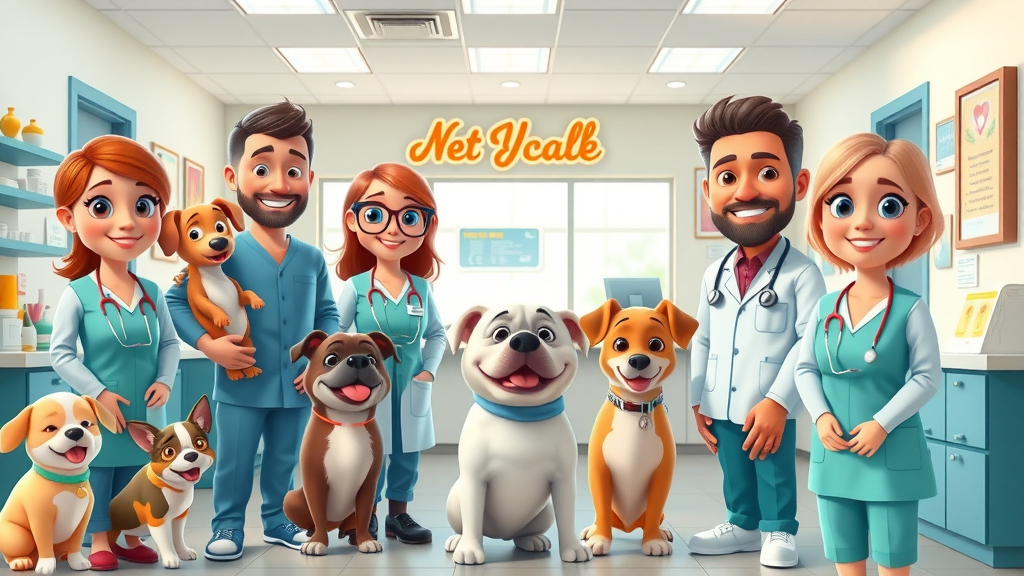
client care and education for veterinarians in australia - Veterinary team greeting pet owners at a vibrant clinic reception

Boosting Pet Owner Loyalty and Clinic Growth

Sustained clinic growth hinges on pet owner loyalty, which is cultivated through consistent, high-quality client care and education. When pet owners feel genuinely valued and informed, they are far more likely to return for future appointments, preventive treatments, and even specialty services. This loyalty decreases marketing spend and increases the lifetime value of every client.

Proactive follow-up communications, educational newsletters, and exclusive client programs (such as wellness plans) are just a few strategies that foster lasting relationships. By empowering clients to make informed decisions and keeping them engaged, your veterinary practice can weather industry change and evolve with confidence.

Qualifications for Veterinary Professionals and Support Staff in Australia

Essential Qualifications for Veterinarians in Australia

Australian veterinarians must complete a Bachelor of Veterinary Science (BVSc), Doctor of Veterinary Medicine (DVM), or an equivalent qualification recognised by the Australian Veterinary Association. Following graduation, veterinarians must register with the relevant state or territorial board and uphold ongoing professional development standards to maintain their license.

Beyond academics, the veterinary profession demands robust communication and client care capabilities, as these are critical for patient care and managing strong relationships with pet owners. Many clinics also encourage or require additional certifications—such as advanced training in surgery, dentistry, or animal behaviour—to ensure the highest quality of service.

client care and education for veterinarians in australia - Aspiring veterinary student studying in an Australian classroom with animal models

Pathways and Qualifications for Vet Nurses

Veterinary nurses play an essential role in the delivery of effective client care and education. To become a qualified veterinary nurse in Australia, candidates typically pursue a Certificate IV in Veterinary Nursing from a recognised institution. Many also complete workplace placement hours as part of their training, supporting both the clinical and educational needs of the clinic.

Ongoing education is encouraged by professional bodies such as the Veterinary Nurses Council of Australia and the Australian Veterinary Association. Staying current with the latest industry standards, communication skills, and technology ensures veterinary nurses can educate and support clients to the best of their ability.

People Also Ask: Key Questions on Client Care and Education for Veterinarians in Australia

What is vet education in Australia?

  • Comprehensive overview of veterinary education standards, curriculum, and ongoing professional requirements in Australia.

Vet education in Australia encompasses rigorous academic study in veterinary science or medicine, typically undertaken at university level. Course work combines animal physiology, pathology, diagnostics, and patient care, with hands-on clinical placement before graduation. After qualifying, ongoing learning and registration with state veterinary boards are required to ensure compliance with professional and legislative standards in veterinary practice.

What is the client of a veterinary practice?

  • Definition of a 'client' in veterinary settings, typical needs, and expectations in veterinary practice client care.

In a veterinary practice, the client refers to the pet’s owner or guardian responsible for making decisions regarding veterinary care. Clients expect high levels of patient care, transparent communication, and guidance from team members to make the best choices for their animals. Meeting and exceeding these client care needs is central to sustainable veterinary practice growth.

What qualifications do you need to be a vet nurse in Australia?

  • Educational requirements and certification pathways for veterinary nurses in Australian clinics.

Veterinary nurses in Australia must complete a Certificate IV in Veterinary Nursing, which involves both theoretical study and practical work experience in a veterinary clinic. Accredited programs are available nationally, and registration with professional bodies supports ongoing competency and education.

What are the qualifications for a veterinarian?

  • Detailed list of required degrees, certifications, and professional competencies for Australian veterinarians.

To practise as a veterinarian in Australia, candidates need to graduate from a recognised Bachelor of Veterinary Science (BVSc) or Doctor of Veterinary Medicine (DVM) program, register with their jurisdiction’s veterinary board, and comply with the continuing professional development requirements set by the Australian Veterinary Association.

FAQs: Client Care and Education for Veterinarians in Australia

  • How can veterinary practices improve client communication?
    By investing in staff training for verbal and written communication, developing standard scripts for frequent scenarios, and using digital tools to reinforce messages, veterinary practices can make communication clearer and more consistent for all clients.
  • What resources help educate pet owners about pet care?
    Clinics can use printed handouts, interactive videos, reputable online resources, and personalised consultations to provide pet owners with reliable and accessible information about pet care.
  • How do client education strategies improve treatment compliance?
    Educated clients are more likely to understand treatment plans, ask questions, and follow through with recommendations, leading to improved pet health outcomes and fewer follow-up visits for the same issue.
  • Why is customer experience a key success factor in veterinary clinics?
    Positive customer experience encourages client retention, greater trust, and word-of-mouth referrals—core drivers for clinic growth amidst increasing competition in the veterinary sector.
  • What training is available for veterinary professionals to enhance their communication skills?
    Australian Veterinary Association and other industry bodies offer workshops, online modules, and in-clinic training on communication, empathy, and conflict resolution skills tailored for the veterinary profession.

Key Takeaways: How to Unlock Success in Client Care and Education for Veterinarians in Australia

  • Strong client care and education are fundamental to successful veterinary practice growth.
  • Dedicate time to clear communication with pet owners for higher compliance and satisfaction.
  • Ongoing professional development strengthens customer experience and staff confidence.

Conclusion: Elevate Your Veterinary Practice with Excellence in Client Care and Education

Empowering pet owners with knowledge doesn’t just help animals—it builds lasting trust and loyalty for your veterinary practice.

"Empowering pet owners with knowledge doesn’t just help animals—it builds lasting trust and loyalty for your veterinary practice."

Client Care & Education

0 Views

0 Comments

Write A Comment

*
*
Related Posts All Posts
10.04.2025

The Hidden Costs of Poor Client Education in Vet Clinics

Did you know that nearly one in four veterinary clients misunderstand basic post-visit care instructions, leading to missed treatments and costly return visits? For Australian practice managers and clinic owners, the failure to educate pet owners and staff isn’t just a learning gap—it’s a significant business risk that impacts revenue, morale, and reputation. In this comprehensive guide, you’ll discover the hidden costs and lasting consequences of neglecting client and staff education for vet owners and managers, and learn how better communication can revolutionize your veterinary practice. Startling Statistics: The Impact of Client and Staff Education on Veterinary Practice Performance The connection between client and staff education for vet owners and managers and overall veterinary practice success is undeniable. Recent studies show that veterinary practices with structured education programs for clients and team members see up to 30% higher compliance rates for treatment plans compared to those that do not. This directly translates to improved patient care outcomes and sustained clinic revenue. Notably, clinics that invest in client education report consistently higher client retention, with loyal pet owners returning more frequently for follow-up visits and preventive care. Shockingly, lack of proper education can cost a typical Australian clinic tens of thousands of dollars each year in missed treatments, callbacks, and avoidable complications. Practice owners also suffer from higher staff turnover due to frustration from repeated communication gaps and misunderstandings. These statistics reveal that neglecting educational strategies doesn’t just hurt the bottom line—it also threatens practice culture and staff satisfaction. By placing education at the forefront of clinic operations, veterinary professionals can transform outcomes for their patients, clients, and teams. "A single miscommunication can cost a veterinary practice not just revenue, but the long-term trust of a client." – Dr. Jane Carter, Veterinary Professional What You’ll Learn About Client and Staff Education for Vet Owners and Managers The connection between client education, compliance, and clinic revenue Hidden risks impacting veterinary practices and staff Proven strategies for boosting pet owner understanding Key metrics and KPIs for measuring educational effectiveness Defining Effective Client and Staff Education for Vet Owners and Managers Core Components of a Veterinary Practice Client Education Program Effective client education programs in veterinary clinics are built on trust, clarity, and consistency. At its core, a well-designed initiative should provide clients with easy-to-understand, actionable information about their pet’s health, common conditions, treatment plans, and preventive care. Educational materials—such as illustrated handouts, digital resources, and informational videos—empower pet owners to make informed decisions and follow medical recommendations more closely. Beyond patient care, these materials foster stronger client relationships, drive higher treatment plan acceptance, and facilitate smoother clinic operations. But the effectiveness of client education relies on more than just distribution; it demands veterinary team engagement and repetition. Staff members need structured training to deliver consistent messages during every interaction, whether it’s at the front desk, during consultations, or via follow-up calls. Integrating education into each stage of the patient journey ensures clients leave with a clear understanding of their responsibilities—and a positive impression of your clinic’s expertise and care. Roles of the Veterinary Team and Team Members in Client Education Every team member—from veterinarians to nurses and front desk staff—plays a critical role in client education. Veterinarians are seen as trusted authorities, but the responsibility to reinforce instructions and answer client questions must be shared across the veterinary team. By empowering all team members with continuing education, clinics create knowledgeable staff who can handle client queries confidently, explain complex topics, and provide updates on routine and preventive care. Training sessions and regular meetings keep staff messages aligned and reduce the risk of conflicting information. This coordinated approach builds rapport and strengthens the client relationship, making communication seamless and leaving pet owners feeling supported throughout their clinic experience. Ultimately, clients who trust every staff member are more likely to follow advice and maintain loyalty to the practice. The Business Consequences of Poor Client and Staff Education in Veterinary Practice Lost Revenue: Missed Treatments and Declining Practice Management Poor client and staff education for vet owners and managers directly leads to missed treatments, fragmented communication, and declining financial health. When pet owners misunderstand medication instructions or the necessity of follow-up visits, they’re less likely to accept recommended treatment plans or invest in preventive care. Over time, this decreases repeat visits, lowers patient compliance rates, and reduces clinic revenue. Inaccurate or inconsistent information from various staff members compounds these challenges, often resulting in clients postponing or discontinuing crucial treatments. From a practice management perspective, gaps in education also create operational inefficiencies. Staff spend more time fielding avoidable client calls, clarifying misunderstandings, and correcting errors in patient care records. This can disrupt daily operations, drain resources, and impact staff morale. For practice owners focused on sustainable growth, investing in robust client education and staff training isn’t optional—it’s a key requirement for long-term success and competitive advantage in veterinary medicine. Low Client Retention and Loyalty Among Pet Owners When clients feel uninformed or unsupported during their veterinary experience, their trust and loyalty waver. Failure to provide accessible, relevant education is a top driver of client churn. Analysis shows that pet owners who don’t fully grasp their pet’s care—including aftercare, medication schedules, or preventive recommendations—are much more likely to seek services elsewhere. This results in a loss of recurring revenue and increased costs to acquire new clients. On the flip side, clinics that excel in client education cultivate long-term relationships, translating to more frequent visits and greater acceptance of treatment plans as pets age or develop new health needs. Loyal clients are also powerful advocates, referring friends and family, and leaving positive reviews online. For veterinary business leaders, nurturing these relationships through education is the foundation of a vibrant practice with stable, growing revenue. Negative Reviews and Reputation Risks for Veterinary Professionals Reputation is everything in the veterinary profession. Poor communication and confusion fuel negative reviews, damaging the clinic’s public image and making it harder to attract new pet owners. In an era where social media and online platforms amplify every client’s voice, one misunderstanding or poorly executed handover can have a disproportionate impact. Conversely, consistent, high-quality client education demonstrates expertise and care, resulting in glowing endorsements and increased credibility. Practice managers who prioritize education not only protect their reputation but also build a culture of transparency and trust—a vital differentiator in competitive local markets. How Poor Staff Education Affects Veterinary Team Morale and Performance Veterinary Team Burnout and Communication Gaps Neglecting staff education leads to high levels of frustration, stress, and burnout among the veterinary team. When staff members feel unprepared to answer client questions or clarify treatment plans, their confidence dips and daily tasks become more challenging. This effect snowballs—gaps in training result in inconsistent information, forcing staff to constantly put out fires rather than proactively helping clients and pets. Long-term, these communication challenges erode teamwork and diminish overall productivity. Frequent misunderstandings internally strain relationships between veterinarians, nurses, and administrative staff. Ultimately, poor client and staff education for vet owners and managers drives turnover, worsens morale, and contributes to a chaotic clinic environment. Investing in ongoing staff training is the antidote, empowering team members to communicate effectively and excel at every client touchpoint. Client Education and Practice Management: Aligning Veterinary Team Messaging Role of Practice Managers and Owners in Shaping Client Education Policies The responsibility for effective client and staff education for vet owners and managers begins at the top. Practice owners and practice managers must set clear policies and expectations around client communication, ensuring that all information provided is accurate, consistent, and aligned with the clinic’s standard of care. This involves developing and regularly updating educational materials, scheduling training for the veterinary team, and embedding educational touchpoints throughout the patient journey. Leaders must also model strong communication behaviors and foster a culture of openness where staff feel comfortable asking questions and sharing insights. By investing time and resources into staff education, management signals its commitment not just to client engagement, but to the success and satisfaction of its team members as well. Building Consistency: Staff Training and Veterinary Business Procedures Consistency is key for effective client and staff education for vet owners and managers. Training programs should address not just medical knowledge, but also client communication, emotional intelligence, and workflow integration. For example, clinics can implement standardized checklists and scripts for discussing preventive care, medication administration, and follow-up procedures to ensure all pet owners receive the same high standard of information. Regular role-play exercises and team huddles help staff practice and refine their messaging, leading to smoother client experiences and fewer misunderstandings. By weaving education into daily operations and formalizing procedures, veterinary practices can substantially boost both client and staff confidence, driving loyalty and performance. Case Studies: The ROI of Improved Client and Staff Education in Veterinary Medicine Clinic Metrics Before Education Initiative After Education Initiative Client Compliance Rate 57% 85% Average Revenue per Visit $140 $184 Repeat Client Visits 2.3 per year 3.6 per year Staff Turnover 18% annually 8% annually Online Review Score 3.7/5 4.8/5 Watch: Explainer video – How Consistent Client and Staff Education Benefits Veterinary Practices. Creating A Pet Care Culture: Strategies for Veterinary Professionals Interactive handouts and client education materials Leveraging reminders and follow-up calls Training team members for clear client communication Transforming your veterinary business into a pet care culture starts by equipping both staff and clients with valuable tools. Use visually engaging handouts, infographics, and digital guides tailored to common patient care needs and pet life stages. Schedule follow-up calls and send reminders via email or text to reinforce treatment plans and encourage client participation. Most importantly, invest in training for all team members—ensure that everyone, from receptionists to veterinary professionals, can communicate with confidence and empathy. Watch: Video interview – Best Practices for Staff Education and Client Communication. Key Metrics: Tracking Client and Staff Education Success in Veterinary Practice Client compliance rates Treatment plan acceptance ratios Staff satisfaction surveys Repeat visit frequency (per pet owner) Measuring the impact of client and staff education for vet owners and managers requires more than anecdotal feedback. Track compliance rates, treatment plan acceptance, and the volume of repeat visits per pet owner. Survey staff satisfaction regularly to assess whether your education initiatives are boosting morale and collaborative culture. Analysing these key metrics allows practice managers to refine programs and demonstrate ROI, ensuring ongoing investment in educational excellence remains a strategic priority. People Also Ask Why is client and staff education important for vet owners and managers? Client and staff education for vet owners and managers is essential for improving patient care, boosting compliance, and ensuring smooth clinic operations. Educated clients are more likely to follow treatment plans, invest in preventive care, and remain loyal to their clinic. For team members, ongoing education ensures that everyone is providing consistent, accurate information which helps build trust and reduces errors. In the long term, effective education strengthens the clinic’s reputation, aids in staff retention, and supports the financial health of your veterinary business. How does poor client education lead to financial loss in a veterinary practice? Poor client education often results in clients misunderstanding recommended treatments or missing essential follow-up appointments. This can directly cause missed revenue opportunities and increased costs due to complications or repeated consultations. Moreover, frustrated clients may leave negative reviews or switch clinics altogether, decreasing retention rates and forcing additional spending on marketing and client acquisition. For practice owners, the financial costs of poor education can rapidly compound if not addressed proactively. What are effective methods to improve client and staff education in veterinary clinics? Some of the most effective methods to enhance client and staff education for vet owners and managers include regular staff training sessions, the use of clear visual aids and educational materials for clients, and the integration of reminders or follow-up messages. Inviting feedback from pet owners and staff helps refine these resources for greater clarity and relevance. Adopting digital tools, hosting Q&A sessions, and encouraging staff to attend continuing education programs all help maintain high standards and engaged, informed clients. List of Actionable Tips for Enhancing Client and Staff Education for Veterinary Owners and Managers Schedule regular staff training focusing on client communication Use visual aids and digital resources for complex pet care topics Request feedback from pet owners to improve educational materials Monitor and analyze key performance indicators for client education By implementing these strategies, veterinary professionals can nurture a culture of clarity and engagement. Regular training ensures staff stay informed and confident, while visual aids help break down complicated topics for clients. Feedback loops with pet owners drive continuous improvement, and ongoing metric analysis ensures that your efforts yield benefits in client satisfaction and practice performance. Frequently Asked Questions on Client and Staff Education for Vet Owners and Managers What are common client education mistakes? Common mistakes include using too much technical jargon, failing to check for understanding, providing inconsistent information, and neglecting to use written or visual aids. These missteps can lead to confusion and poor compliance from pet owners. How do you measure educational success in a veterinary team? Educational success is measured through client compliance rates, treatment plan acceptance, positive feedback from pet owners, and decreased staff turnover. Regular surveys and performance reviews help gauge the effectiveness of staff training programs. Can staff education reduce veterinary team burnout? Yes, ongoing staff education ensures team members feel confident and prepared, lessening stress and the risk of burnout. A well-trained team works more efficiently, experiences fewer communication breakdowns, and enjoys a more positive work environment. Key Takeaways: Why Client and Staff Education Matters for Veterinary Practice Success Client and staff education for vet owners and managers drives better patient care, improves revenue, and builds loyalty among pet owners and veterinary teams. An ongoing commitment to education is the foundation of every thriving veterinary practice. Ready to Empower Your Veterinary Team? Discover More Ways to Elevate Client and Staff Education for Vet Owners and Managers Book a consultation or explore our category on Client Care & Education for more in-depth guides, resources, and training opportunities designed for Australian veterinary professionals. Conclusion Investing in comprehensive client and staff education is the most effective way for veterinary owners and managers to boost success, staff satisfaction, and client retention. Take the first step toward a stronger clinic culture today! Sources Example Site – https://example.com AVMA: Pet Owner Education AAHA: Practice Management Enhancing client and staff education is pivotal for veterinary practice owners and managers aiming to improve patient care and operational efficiency. The Lincoln Institute offers a comprehensive suite of leadership and business development programs tailored for veterinary teams, focusing on critical leadership, behavioral, and commercial acumen skills. (lincoln-institute.vet) Additionally, the American Animal Hospital Association (AAHA) emphasizes the importance of team training and client education in implementing successful life stage recommendations, ensuring all staff members are knowledgeable and follow practice protocols. (aaha.org) By leveraging these resources, veterinary professionals can foster a culture of continuous learning, leading to improved patient outcomes and a thriving practice.

10.04.2025

How to Train Your Staff to Deliver Better Client Education

Did you know? Clients who receive clear, consistent education from veterinary staff are 42% more likely to follow treatment plans and return for follow-up visits1. In today’s competitive Australian veterinary landscape, closing the gap in client understanding isn’t just a nice-to-have—it’s a practice-defining necessity. This guide unpacks how staff training for vets is the key to delivering exceptional client education that boosts compliance, drives loyalty, and elevates your clinic’s reputation. Startling Trends in Staff Training for Vets: Why Effective Client Education Matters "Clients who receive clear, consistent education from veterinary staff are 42% more likely to follow treatment plans and return for follow-up visits." — Australian Veterinary Association As veterinary practices across Australia strive for higher retention and compliance, one trend stands out: practices that invest in staff training for vets consistently outperform those that don’t. Effective client education isn’t just about relaying information—it’s about building trust and demonstrating care. Studies and case studies highlight how a well-structured training program enables teams to deliver consistent, proactive advice. This practical approach leads to improved follow-up visit rates, better outcomes for pets, and stronger, long-term client relationships. Competition is fierce, and owners face a wide range of choices for their pet’s care. Practices offering tailored education and modern approaches—such as leveraging a learning platform—stand out. By ensuring every staff member, from the most senior veterinarian to the newest vet nurse, communicates with clarity and confidence, your clinic can boost compliance and satisfaction. The journey starts with dedicated staff training for vets—and the benefits quickly become clear in client retention and overall practice growth. What You’ll Learn About Staff Training for Vets The critical role of staff training for vets in client communication Strategies for ongoing professional development and continuing education How to select the right training program and learning platform Actionable ways to boost engagement and retention through education and training Why Staff Training for Vets is Essential in the Veterinary Profession Veterinary Professional Standards and Client Expectations The veterinary profession is rapidly evolving, demanding higher standards not just in clinical care, but also in client communication. Today’s pet owners are informed and expect clear, compassionate guidance regarding their animals’ well-being. Meeting these expectations is impossible without a workforce that’s well-versed in both clinical best practices and effective communication. Staff training for vets equips your team with the skills necessary to translate complex diagnoses and treatment plans into actionable advice that clients can follow. Ensuring that every interaction, from front desk queries to discharge instructions, meets the highest professional standards is crucial. Well-trained vet nurses and veterinary professionals are empowered to answer questions confidently, address common misunderstandings, and reinforce the veterinary team’s credibility. This commitment to excellence elevates both patient care and your clinic’s brand, fostering a culture where trust and professionalism go hand in hand—key growth areas for Australian practices. Challenges in Veterinary Client Education and Communication Despite its importance, delivering seamless client education remains a challenge for most clinics. Time pressures, information overload, and varied staff backgrounds can all lead to inconsistencies in the messaging delivered to clients. In busy environments, critical details about medication, diet, preventive care, or follow-up can be easily missed or miscommunicated, resulting in confusion and compliance gaps. This is especially true in regions with a wide range of pet owner demographics, such as western Sydney or south Australia. Staff training for vets directly addresses these challenges. By integrating structured training programs, vocational education, and regular feedback, you equip your team to adapt communication styles for different clients. Hands-on workshops, peer mentoring, and digital learning platforms offer practical, scalable solutions for Australian clinics of any size—ensuring every staff member is prepared to educate clients effectively and consistently. Building Professional Development Pathways for Veterinary Staff Continuing Education in the Veterinary Profession: Standards and Requirements Continuing education is central to maintaining high standards within the veterinary profession. Across Australia, ongoing professional development is expected for both vets and vet nurses, often mandated by professional bodies or a registered training organisation. This commitment ensures your team stays current with advances in medicine, regulatory changes, and best practices in client communication. The Australian Veterinary Association and similar bodies offer access to a range of accredited continuing education options—including online courses, workshops, and ce events—covering topics such as critical care, animal nutrition, or clinical skills. Integrating these learning opportunities into your training program not only builds your staff’s clinical abilities but also enhances their confidence when advising and educating clients. In turn, this directly improves client satisfaction, compliance, and loyalty to your practice. Vocational Education and Training: Up-skilling Vet Nurses and Clinic Teams Australia’s focus on vocational education and training supports the development of skills for vet nurses and broader clinic teams. From hands-on wildlife triage to effective general practice communication, these structured programs are specifically designed to bridge the gap between theory and practical application. Registered training organisations and specialised veterinary training packages offer flexible options, allowing staff to develop knowledge and skills while working. By introducing staff to vocational education and training (VET), your clinic can foster continuous improvement and team cohesion. Upskilling your workforce isn’t just about meeting compliance—it’s about raising the standard for care and empowering staff to deliver proactive, informed client education in every interaction. Using a Learning Platform for Seamless Staff Training for Vets Modern veterinary clinics are rapidly adopting comprehensive learning platforms to streamline continuing education and in-house training. These platforms provide a user-friendly interface for accessing a wide range of online courses, ce events, case studies, and practical modules—from animal behaviour to recordkeeping and client communication. A digital first approach makes training accessible and flexible, addressing the time constraints facing busy veterinary professionals. With features such as certification tracking, feedback tools, and scenario-based modules, a robust learning platform helps maintain consistency, document progress, and highlight growth areas for each team member. This investment in technology not only simplifies the administration of staff training for vets, but also improves staff engagement and the willingness to apply new skills in client-facing situations. Structuring a Training Program for Effective Client Education Setting Clear Goals in Staff Training for Vets Every successful training program starts with clearly defined goals. For veterinary clinics, this means identifying not only what staff need to know, but also the specific outcomes desired—such as improved compliance rates or higher client satisfaction scores. Start by assessing current strengths and areas for improvement; use data from client feedback, compliance rates, or even staff self-assessments to guide your objectives. Clear, measurable goals help ensure your investment in staff training for vets translates to tangible, practice-wide benefits. For example, you might aim to increase follow-up visit compliance by 20%, reduce client misunderstandings over medication by half, or boost positive client reviews. When your team sees how their work links directly to outcomes, engagement and motivation to participate in training soar. Choosing the Right Training Package for the Vet Sector A training package in the vet sector should be tailored to the unique challenges and workflows of Australian clinics. When evaluating your options, look for content that is relevant to your practice—whether that’s focused on general practice, specialty services, or emerging areas like telemedicine. A strong training package will provide competency standards, assessment guidelines, and updated resources aligned with the needs of both veterinary professionals and vet nurses. Registered training organisations and industry associations often update their training packages annually to reflect changes in regulations, technology, and growth areas. Involve your team in reviewing course materials and selecting topics that align with your clinic’s strategic goals. Ultimately, the best package is the one that balances flexibility, depth, and practical application—ensuring every staff member builds their skills efficiently and effectively. Integrating Education and Training into Daily Clinic Routines The most effective staff training for vets is seamlessly woven into the rhythm of your clinic. This means setting aside regular time for ongoing education, whether through short interactive modules, hands-on workshops, or peer-to-peer coaching. Creating a culture where learning is valued—and where education and training are viewed as routine rather than extra—maximises knowledge retention and skills application. Encourage your team to dedicate a few minutes each shift to review key learning topics or to reflect on recent client interactions. Use real-world case studies as discussion starters in staff meetings, or empower senior team members to run informal mentor-mentee sessions. By making education a continuous, shared responsibility, you lay the groundwork for long-term professional development and better client outcomes. Comparison of Veterinary Staff Training Methods: Online Platforms vs In-Person Seminars vs On-the-Job Training Method Advantages Limitations Best Use Cases Online Platforms Flexible, self-paced learning; tracks progress; access to a wide range of topics, including ce events and case studies Requires digital literacy; may lack hands-on components Continuing education, upskilling, compliance modules In-Person Seminars Interactive; networking; immediate feedback; hands-on workshops for practical approach Limited by location (e.g., western Sydney), time, and cost Critical care workshops, mentor-led sessions, specialty skills development On-the-Job Training Real-world experience; immediate application; peer mentoring May lack structure; dependent on mentor quality Daily procedural skills, protocol reinforcement, workflow integration Key Components of a Successful Staff Training Program for Vets Focusing on Communication Skills for Vet Nurses and Technicians Communication is the cornerstone of excellent client education and a core focus of any effective training program. Vet nurses and technicians often spend the most time with clients, making their ability to relay complex medical information in a simple, compassionate way invaluable. Training should include scenario-based exercises, role play, and regular feedback to refine listening and speaking skills. This not only improves compliance but also strengthens client trust in your veterinary team. Australian clinics benefit from workshops that reflect diverse client backgrounds and regional challenges. For instance, incorporating locally relevant examples—such as wildlife triage cases or cultural considerations specific to south Australia—can enhance relatability and preparedness. By prioritising communication in staff training for vets, you set the stage for a client experience that is both informative and supportive. Education Delivery: From Print Materials to Digital Learning Platforms Today’s veterinary staff have access to a blend of traditional print materials and state-of-the-art digital learning platforms. Printed resources such as handouts, posters, and checklist cards provide quick reference tools that reinforce messaging in the clinic. However, the shift toward e-learning and multimedia content allows for deeper engagement and self-directed study—ideal for covering a wide range of topics including emerging trends and critical care protocols. Effective training programs combine these tools. For example, a veterinary nurse may use a printed compliance checklist while supplementing knowledge with video tutorials, webinars, or interactive scenario-based quizzes on a learning platform. This hybrid approach meets varied learning preferences and ensures that client education remains consistent, current, and comprehensive. Hands-on Training and Role Play in Professional Development There’s no substitute for practical, hands-on learning. Whether it’s practising animal handling, demonstrating medication administration to clients, or navigating difficult conversations, role play enables your team to develop the confidence and resilience needed on the job. Mentor-led sessions facilitate knowledge transfer from experienced professionals, while structured feedback cycles ensure continuous improvement. Key methods: Scenario-based training Mentor-mentee sessions Feedback and evaluation cycles This practical approach to staff training for vets not only enhances clinical skills but also prepares every team member to handle the unpredictable nature of veterinary client communication with professionalism and empathy. Continuing Education and Ongoing Support for Veterinary Professionals Accessing Accredited Learning Platforms and Courses Access to high-quality, accredited courses ensures your veterinary staff receive up-to-date education that meets professional and regulatory standards. Today, many leading learning platforms offer certifications aligned with the standards set by industry bodies and registered training organisations. Australian clinics can select from online courses on clinical skills, client education, new technologies, and more—tailoring options to the needs of both vets and nurses. Accredited learning platforms help track progress, support career advancement, and ensure your team meets requirements for continuing education. Investing in these resources demonstrates a commitment to staff growth and long-term development, benefitting both your clinic and your clients. Keeping Team Engagement High Through Professional Development Opportunities Ongoing professional development is an excellent motivator for veterinary professionals. Offering regular access to workshops, online courses, and mentor programs keeps staff engaged and invested in their roles. Clinics that foster a culture of learning report higher job satisfaction, lower turnover, and improved client outcomes—factors directly linked to sustained business growth. Combine structured education with informal peer-to-peer learning and opportunities for staff to attend industry ce events. Consistent encouragement and recognition—such as celebrating team members who complete key certifications—further enhance morale and ownership of client education initiatives. Evaluating Staff Training Programs for Vets: Metrics and Outcomes Tracking Compliance and Client Satisfaction after Staff Training The true impact of a staff training program is measured in client outcomes. Track metrics such as compliance with care plans, rates of follow-up visits, and satisfaction scores before and after training interventions. Data-driven decisions allow you to identify which aspects of your staff training for vets are most effective, spotlighting areas for further improvement. Modern learning platforms often offer analytics dashboards, helping you visualise progress at a glance. Client surveys, focus groups, and online reviews provide qualitative feedback that complements hard data—ensuring your investment in professional development supports a culture of excellence throughout your veterinary profession. Adapting Training Programs Based on Feedback and Results Continuous improvement is at the heart of effective staff training for vets. Collect and review feedback from both staff and clients regularly, using those insights to refine program content, adjust delivery methods, or introduce new modules as needed. This cycle of adaptation ensures your training remains relevant, targeted, and in line with your clinic’s evolving goals. Leverage outcome data—such as increased compliance rates or positive shifts in client satisfaction—to celebrate progress and motivate your team. Sharing success stories or case studies during staff meetings can further reinforce the value of ongoing education and inspire even greater commitment to client care and education. Outcome Metrics: Pre- and Post-Training Client Compliance Rates Metric Pre-Training Post-Training Change (%) Client Follow-Up Compliance 65% 87% +22 Client Satisfaction Score 3.9/5 4.6/5 +18 Staff Confidence in Education 58% 90% +32 People Also Ask About Staff Training for Vets What is a staff training program? A staff training program is a structured series of educational activities designed to improve the knowledge, skills, and behaviors of clinic team members. In veterinary settings, effective programs focus on communication, client education, best practices for animal care, and compliance. What kind of training should be given to workers? Veterinary workers benefit from training in clinical skills, client communication, use of veterinary technology, and ongoing professional development via workshops, online learning, and hands-on mentoring. What is a training package in the vet sector? A training package in the vet sector is a formal collection of competency standards, assessment guidelines, and resources developed to ensure veterinary professionals and vet nurses meet required skills and knowledge for their roles. What are the three main types of training? The three main types of training are on-the-job training, formal education (including e-learning or classroom courses), and continuing professional development through workshops or conferences. FAQs: Staff Training for Vets and Client Education How often should clinic staff participate in continuing education? At minimum, annual participation is recommended for all staff, but many veterinary professionals benefit from quarterly or ongoing micro-learning modules to stay current and maintain high standards. What are the best learning platforms for veterinary professional development? Leading platforms include VetEd, OnTheGoVet, and industry accredited systems such as those offered by registered training organisations. Choose platforms that offer flexibility, accredited courses, and robust tracking features for continuing education and compliance. How can managers ensure staff training leads to measurable improvements? Set clear goals, track key metrics before and after training, regularly gather team and client feedback, and adapt programs as trends and needs evolve. A focus on practical, scenario-based learning ensures knowledge is applied in real-life clinic settings. Key Takeaways: Investing in Staff Training for Vets Pays Dividends Well-trained veterinary staff deliver superior client education Continuing education builds loyalty and improves compliance Structured training programs elevate your clinic’s reputation Ready to Empower Your Team? Discover Staff Training for Vets Solutions Today. If you’re ready to boost compliance, elevate client care, and position your clinic as a leader in the Australian veterinary profession, explore tailored staff training for vets now. Contact us to schedule a free assessment or request information on our accredited training program and learning platform options. Conclusion: Investing in staff training for vets transforms client care, secures loyalty, and futureproofs your practice—start building your team’s knowledge and confidence today! Sources Australian Veterinary Association – https://ava.com.au VetEd – https://veted.org.au Animal Careers Australia – https://animalcareers.com.au To enhance your team’s ability to deliver exceptional client education, consider exploring the following resources: “Staff Training - VetSupport, Powered by Encore Vet Group”: This platform offers online courses and workbooks tailored for veterinary staff, focusing on client experience and communication skills. (vetsupport.com) “Team Training for Vets - Veterinary Team Training Software”: This software provides consistent online training for veterinary practices, helping to streamline training programs and ensure all team members are aligned in delivering client education. (training-progress.com) By integrating these resources into your staff training initiatives, you can foster a knowledgeable and confident team capable of providing superior client education, ultimately enhancing client satisfaction and loyalty.

10.03.2025

How to Use Handouts and Digital Reminders to Improve Client Compliance

Staggering fact: Studies reveal that up to 50% of veterinary clients don’t follow crucial care protocols — exposing a hidden problem that impacts pet health, clinic reputation, and patient outcomes. What if your team could close this compliance gap with simple handouts and digital reminders? A Surprising Truth: The State of Veterinary Client Compliance in Australia Understanding the real-world state of veterinary client compliance across Australian clinics reveals an urgent need for better education and communication. Many veterinarians report that even after clear verbal instructions, pet owners return with incomplete treatment plans or don’t bring their pet for necessary rechecks. This compliance issue isn’t limited to isolated cases; national trends confirm up to 50% of clients fail to follow through with prescribed protocols. For every missed dose or neglected follow-up, both your veterinary patient’s quality of life and your clinic’s professional reputation are at risk. “Studies show that up to 50% of veterinary clients fail to comply with prescribed protocols—highlighting a significant opportunity for improved communication through education and reminders.” The cost of poor compliance isn’t abstract. For healthcare professionals and veterinary teams, it means more phone calls resolving misunderstandings, more rechecks than necessary, and even preventable complications that undermine trust. But there’s a brighter outlook—the key to improving client compliance often lies in practical owner education. By providing consistent handouts and timely digital reminders, practices can bridge the knowledge gap, reduce administrative headaches, and improve veterinary care outcomes for every pet owner served. What You’ll Learn About Veterinary Client Compliance Why veterinary client compliance matters for your practice’s reputation and patient outcomes How handouts and digital reminders improve owner compliance Practical steps to integrate these tools in your veterinary practice The Link Between Veterinary Client Compliance and Owner Compliance Why Pet Owner Understanding Fuels Compliance Owner compliance is at the heart of veterinary client compliance. When a pet owner truly understands the treatment plan—from timing of medications to aftercare steps—they’re far more likely to act correctly at home. Every pet parent wants the best for their animal, but even in the most empathetic veterinary practices, oral instructions delivered in a busy exam room are easily forgotten or misinterpreted. This disconnect means pet parents leave feeling reassured, but then struggle to recall specifics once at home amidst daily distractions. Providing clear, written aftercare handouts and digital reminders solves this issue by reinforcing essential details in a format owners can reference any time. Research confirms that when pet owners receive consistent message both in person and via follow-up reminders, their ability to follow through on veterinary care improves dramatically. For the veterinary team, supporting owner compliance isn’t just about reducing errors—it’s about boosting clinic loyalty and forging lasting relationships built on trust and high-quality communication. Barriers to Owner Compliance in Veterinary Practice Despite best intentions, several barriers stand in the way of owner compliance in veterinary practice. First, health literacy varies widely; some clients may struggle to interpret medical jargon or complex dosing instructions, while others may have English as a second language. Emotional stress, especially after difficult diagnoses, may further cloud understanding. Inconsistencies in communication—when pet owners receive contradictory information from different team members—can erode trust and introduce confusion. Additionally, overloaded schedules can cause owners to forget important recheck appointments or medication refills. Further obstacles include financial pressures, which may prompt some pet owners to skip recommended preventive care, and the perception that reminders or handouts are generic rather than tailored to their pet’s needs. By actively identifying these hurdles and designing handouts plus digital systems that proactively address them, veterinary practices pave the way for better client compliance, healthier patients, and more positive reviews. Ultimately, these tools demonstrate your clinic’s commitment to patient support even after clients head home. Top 8 Strategies: Using Handouts to Improve Veterinary Client Compliance Create concise, visual aftercare instructions for owner compliance. Use diagrams, icons, and bullet points in your handouts to break down complex treatment plans. Visuals help bridge literacy gaps and ensure that pet owners can easily follow steps for medication or wound care. Clear handouts support owner compliance and reduce follow-up phone calls, ultimately improving the quality of veterinary care your clinic delivers. Cater to pet owner literacy and language needs. Design your materials for easy reading: use plain language, large fonts, and provide translations for common languages in your area. For diverse communities, consider adding QR codes that link to video instructions. This ensures all pet owners — not just the highly literate — have equal access to care information, supporting client compliance across your patient base. Highlight urgent care points in handouts. Make sure emergencies and warning signs are prominently featured, using color or icons to catch attention. Pet parents should see, at a glance, when to call the clinic or bring their pet back. This proactive approach minimises risks from misunderstandings or delayed care, helping safeguard your small animal patients’ wellbeing. Incorporate FAQs addressing common client compliance concerns. Reduce confusion by anticipating top questions such as, “What if my pet spits out medication?” or “Can I combine meds with food?” A short FAQ reinforces in-person discussions and reassures owners that support is always available, even after they leave the exam room. Provide nutrition and preventive care handouts for long-term outcomes. Beyond acute care, proactive client education around preventive care—like vaccination schedules, parasite control, and healthy diets—strengthens owner compliance and reduces future treatment costs. Handouts empower pet owners to become long-term health partners, which helps your veterinary practice retain loyal clients for years. Develop handouts for common procedures in your veterinary practice. Standardise handouts for surgeries, dentals, and long-term treatments. Customise information for each pet by filling in discharge details. This consistent message ensures that team members deliver unified instructions, preventing contradictory information and building trust with every client. Use branded materials to reinforce trust. Incorporate your logo and clinic colours into every handout. When pet owners see recognisable, professional materials, they’re reminded of your expertise and are more likely to trust the instructions, enhancing owner compliance and supporting your veterinary team’s reputation. Encourage two-way feedback: invite owner questions on the handout. Add a line inviting feedback or clarifying questions, and include the best phone number or email address to use. This open-door approach reassures clients they’re not alone, and allows team members to promptly address potential barriers to client compliance. Comparison of Handout Formats for Veterinary Client Compliance Format Pros Cons Best Uses Print Easy to distribute; tangible for clients; can be referenced at home Lost or misplaced easily; limited space for visuals/FAQs Aftercare instructions; in-clinic procedures Email PDF Accessible anytime; easily shared with family members; eco-friendly May be overlooked in inbox; digital literacy required Follow-up care; nutrition guides; post-visit summaries App Integration Interactive; allows reminders and multimedia; high engagement Requires setup; may exclude some demo groups Long-term treatment plans; preventive care schedules Leveraging Digital Reminders for Veterinary Client Compliance Automated appointment and medication reminders via SMS or email. Automated reminders reduce the burden on staff and bring client compliance front-of-mind for busy pet owners. SMS and email are effective for both appointments and daily medication prompts, minimizing missed visits and supporting the veterinary patient’s ongoing care. Integrate compliance check-ins using clinic apps. With veterinary-specific apps, clients can receive push notifications about post-op care, medication times, or wellness checkups. For the veterinary practice, these tools help track adherence and alert team members if interventions are needed, aiding in improving client compliance and outcomes. Personalise reminder timing to increase owner compliance. Tailor digital reminders to each owner’s schedule (such as evening medication after work), increasing the likelihood they’ll act promptly. Adding pet names and specifics reinforces trust, making messages feel relevant rather than generic. Encourage digital rebooking and follow-ups directly from reminders. Include clickable links for quick rebooking or check-in forms in every reminder. This makes it simpler for pet owners to act on next steps, which boosts compliance rates and saves your veterinary team from additional manual phone calls. Case Study: Owner Compliance Improved with Digital Tools Many veterinary practices in Australia have seen remarkable strides by implementing automated digital reminders. Consider the experience of one Sydney-based clinic: “Since switching to automated reminders, our veterinary practice saw missed follow-up appointments drop by 35%.” — Clinic Manager, Sydney Their clinic combined SMS reminders for rechecks and medications with app-based push notifications for aftercare. Owners appreciated the extra support and no longer missed crucial windows for returning to the clinic, resulting in healthier outcomes for small animal patients and improved client compliance. How to Integrate Handouts and Digital Reminders into Your Veterinary Practice Workflow Train your team on handout distribution and digital reminders. Set up templates for common client compliance scenarios. Evaluate results regularly and adjust your approach. Success with handouts and digital reminders comes down to teamwork and consistency. First, appoint team members responsible for distributing handouts and scheduling reminders—make this role part of your standard consultation process. Use digital templates for post-op instructions, preventive care, and medication follow-up, so you don’t have to reinvent the wheel for each new case. Schedule regular meetings to review client feedback and track compliance using metrics like appointment attendance and medication pickup rates. Over time, this cycle of training, delivery, and review will streamline your workflow and ensure your veterinary team continues to improve client compliance. Don’t forget to ask for feedback from both staff and pet owners. Tiny tweaks—like changing reminder timing or adding a quick survey to handouts—can yield big improvements in owner compliance, positive reviews, and long-term retention. Frequently Asked Questions About Veterinary Client Compliance How often should reminders be sent for optimal owner compliance? Most experts recommend sending an initial reminder 24 hours before an appointment or medication is due, followed by a same-day prompt. For long-term treatment, weekly check-ins keep client compliance high without overwhelming pet owners. Are digital or printed handouts better for client compliance? Both have their place: printed handouts are tangible and useful in the exam room, while digital copies are less likely to be lost and can be accessed at any time. The most successful veterinary practices offer both options based on pet parents’ preferences. What are the best tools for tracking veterinary client compliance? Many veterinary software systems now track whether handouts are provided and if digital reminders are acknowledged. Apps integrated with your practice management system often offer the best data for monitoring and improving client compliance. People Also Ask: Veterinary Client Compliance What are some effective strategies for improving client compliance in a veterinary practice? Effective strategies to improve client compliance include providing personalised handouts after each consultation, leveraging automated digital reminders for appointments and medications, conducting regular compliance training for team members, and inviting client questions through easy-to-use feedback channels. Using a consistent message across all communication helps pet owners better understand and act on your recommended treatment plan. Why do pet owners fail to follow through with veterinary recommendations? Pet owners may fail to comply with recommendations due to unclear instructions, forgetfulness, financial concerns, and language barriers. Emotional stress during clinic visits and receiving contradictory information from multiple healthcare professionals can further undermine owner compliance. Addressing these issues with clear written handouts, digital reminders, and supportive team communication helps boost compliance and ensures better outcomes for pets. Key Takeaways: Mastering Veterinary Client Compliance with Handouts and Digital Reminders Veterinary client compliance directly impacts pet health and your clinic’s reputation Handouts and digital reminders make owner compliance easier Training, review, and feedback are essential to improve client compliance long-term Start Improving Veterinary Client Compliance Today With clear handouts and timely digital reminders, your veterinary practice can transform client compliance, elevate pet care, and keep your clinic ahead in Australia’s competitive landscape. Sources AVMA – https://avma.org Veterinary Practice News – https://www.veterinarypracticenews.com/veterinary-client-compliance-and-communication Vetanswers.com.au – https://www.vetanswers.com.au/blog/category/client-communication Example Site – https://example.com To enhance your understanding of veterinary client compliance, consider exploring the following resources: “9 Communication Tips to Gain Pet Owner Compliance”: This article offers practical strategies to improve client communication, such as setting clear expectations and using visual aids, which can lead to better compliance. (practicelife.com) “Improving Veterinary Client Compliance Through Technology”: This piece discusses how integrating technology, like electronic medical records and digital imaging, can foster transparency and trust, thereby enhancing client compliance. (practicelife.com) By implementing these communication techniques and technological tools, you can strengthen client relationships and improve compliance rates in your veterinary practice.

Terms of Service

Privacy Policy

Core Modal Title

Sorry, no results found

You Might Find These Articles Interesting

T
Please Check Your Email
We Will Be Following Up Shortly
*
*
*